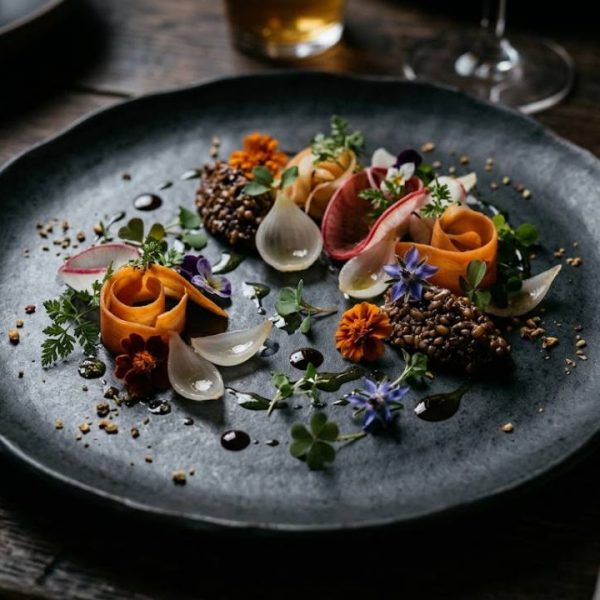
For years, vegetarian tasting menus were treated as an afterthought, a plate of grilled vegetables slipped in beside the real food. That attitude is gone. Today some of the most exciting kitchens in the world build entire menus around plants, using old techniques to create flavors that no meat dish could match.
Why plants can carry a tasting menu
Vegetables, grains, mushrooms and herbs offer an enormous range of taste and texture. Sweetness, bitterness, acidity and smoke are all there, waiting for a cook who knows how to draw them out. The challenge is depth, and that is where three ancient methods come in.
Fermentation, foraging and cooking over open fire share one idea: slow, patient work that rewards respect for ingredients. Each method adds layers that a quick sauté cannot.
Depth in vegetarian cooking comes from time, not from imitation of meat.
Fermentation, the secret engine of flavor
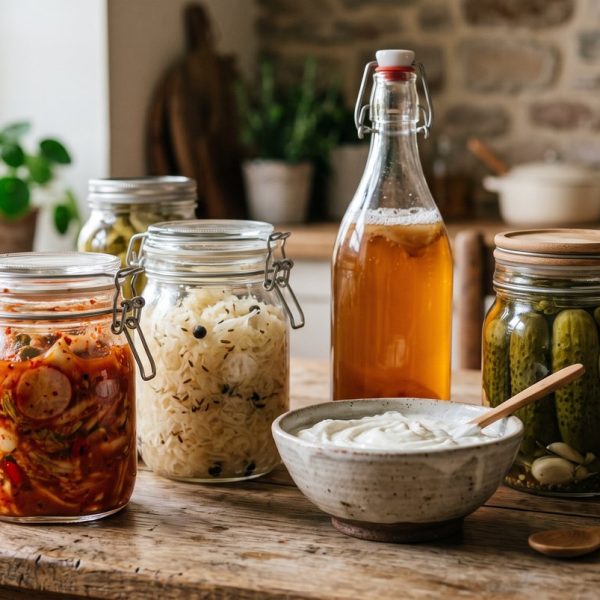
Fermentation turns simple produce into something complex. Cabbage becomes sour and crisp, soybeans become savory paste, and grains and fruit turn into vinegars and ferments with remarkable character.
In a vegetarian kitchen these products do the work that stock and cured meat do elsewhere. A spoonful of fermented black garlic or a splash of lacto fermented juice lifts a dish with savory, rounded notes known as umami.
Fermentation also needs planning. Jars can sit for weeks or months, so a kitchen that ferments is thinking about the menu long before the season arrives.
Foraging connects the plate to the place
Foraged ingredients such as wild garlic, sorrel, nettles, berries and edible flowers bring a sense of place that cannot be bought from a catalog. They change with the weeks, and they push the kitchen to cook what the land offers right now.
Responsible foraging is a skill and a duty. Cooks need to identify plants with certainty, take only a small amount, avoid protected areas and leave roots and young growth alone. Never eat a wild plant you cannot identify with confidence.
Guests respond strongly to the story. A dish that tastes of a specific hillside or woodland edge is memorable in a way a generic ingredient cannot be.
The magic of open fire
Cooking over live flame adds smoke, char and a slight bitterness that balances sweetness. Carrots turn deep and sticky, cabbages blacken at the edges and soften inside, and onions collapse into jam.
Fire demands attention. Heat changes with the wind and the wood, and a cook must read the embers constantly. It is a craft that takes years to learn, and it gives dishes a personality that gas or induction cannot copy.
Building a balanced tasting menu
A strong menu moves through contrasts. A bright, acidic opener wakes the palate, a rich middle course brings warmth and weight, and a gentle dessert closes the meal without heaviness. Textures should vary too, from crisp to creamy to silky.
Portion size matters. Several small courses with clear flavors work better than a few large plates that tire the guest. Pace is part of the cooking.
Wine, tea and drinks pairings
Vegetarian dishes pair beautifully with wine, but they also invite other options. Light, floral teas, house made kombucha and sparkling juices match fermented and smoky flavors well. A thoughtful non alcoholic pairing is now a sign of a serious restaurant.
Ask the sommelier to explain the reasoning behind each pairing. The best ones tell a story as clear as the menu itself.
Health and sustainability
Plant forward eating is good for people and for the planet. The World Health Organization recommends plenty of vegetables, fruit and whole foods, and its healthy diet guidance explains why.
Seasonal, local cooking also cuts transport and waste. Kitchens that use whole vegetables, from leaf to root, and turn trimmings into broths and ferments show that fine dining can be gentle on resources.
Talking about the menu in many languages
Great cooking draws guests from many countries, and a menu full of technical terms can be confusing. Words like koji, lacto fermentation, charring and foraged need clear and accurate translation, or the story behind the dish is lost.
Restaurants that welcome French speaking visitors often rely on professional French translation services to convey culinary terms and allergy notes without errors. A mistake on a menu is more than an embarrassment, because an allergen warning must always be exact.
The same care applies to a restaurant website. This article on localization and SEO translation explains how translated pages help diners find you in their own language.
What first time guests should know
Book early, since tasting menu seatings are small and sell out quickly. Share dietary needs in advance, including vegan or allergy requirements. Arrive on time, because courses are timed to flow together.
Be curious. Ask what a strange ingredient is, and let the team tell you about the farm, the forest or the jar behind the dish. Good staff love these questions.
The bigger picture
Vegetarian fine dining is no longer a niche. It is a serious, inventive part of modern cooking, built on technique, patience and a deep respect for ingredients. Guests who try it often leave surprised by how full and satisfied they feel.
If you have never tried a plant based tasting menu, choose a restaurant that ferments and cooks over fire, and go with an open mind.
Fermentation, foraging and fire prove that plants can deliver depth, drama and real luxury at the table.